
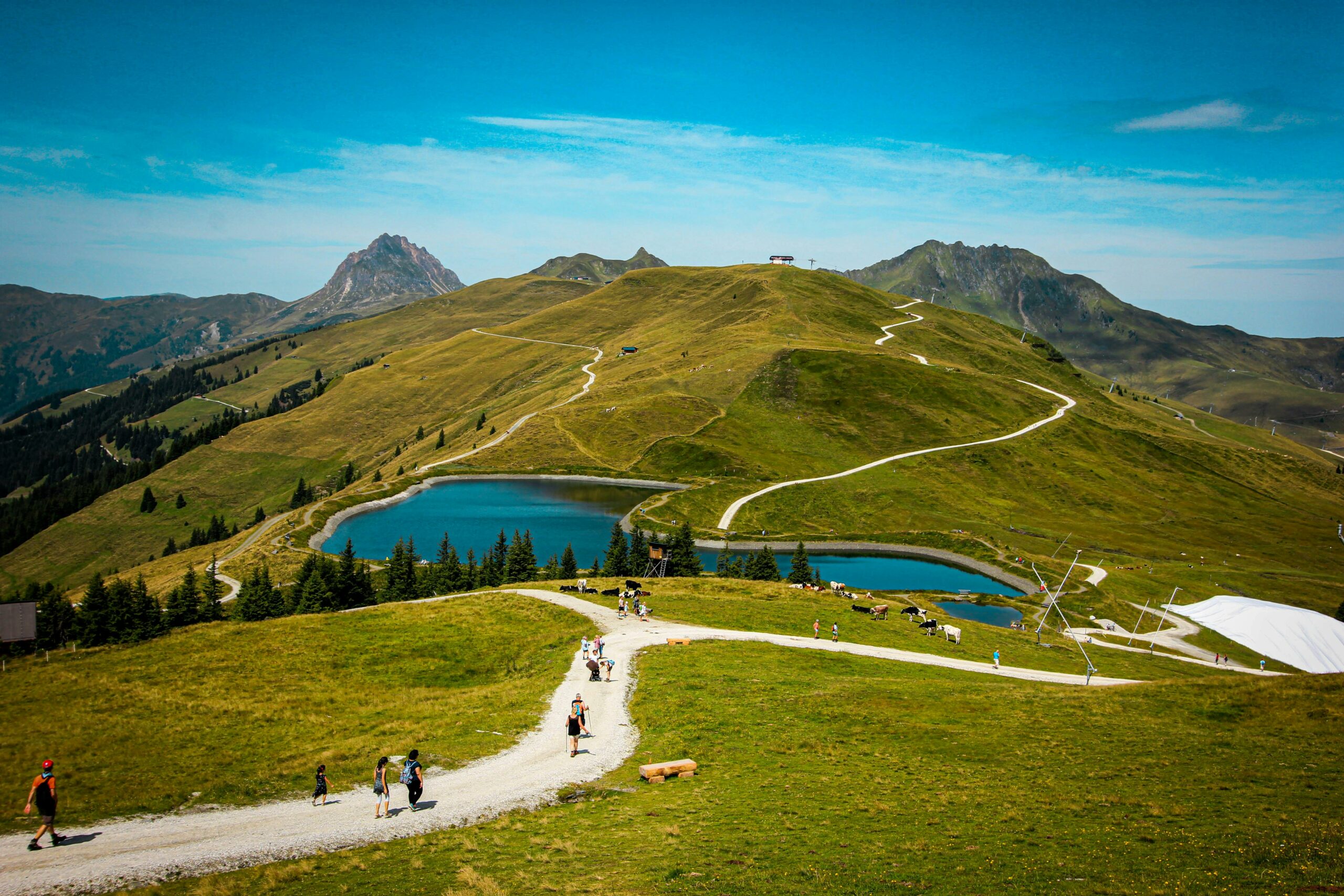
Tired of crowded beaches, sky-high seaside prices, and 35°C heat that turns every afternoon into a nap session ? Franchement, more and more travelers are skipping the coast in summer and heading for the mountains instead. And the math actually makes sense : cooler temperatures, fewer crowds, lower prices, and a kind of vacation that genuinely lets you switch off. The question is which mountain destinations are actually worth your time and money for a summer break, not just for skiing.
Not Every Mountain Region Is a Summer Destination
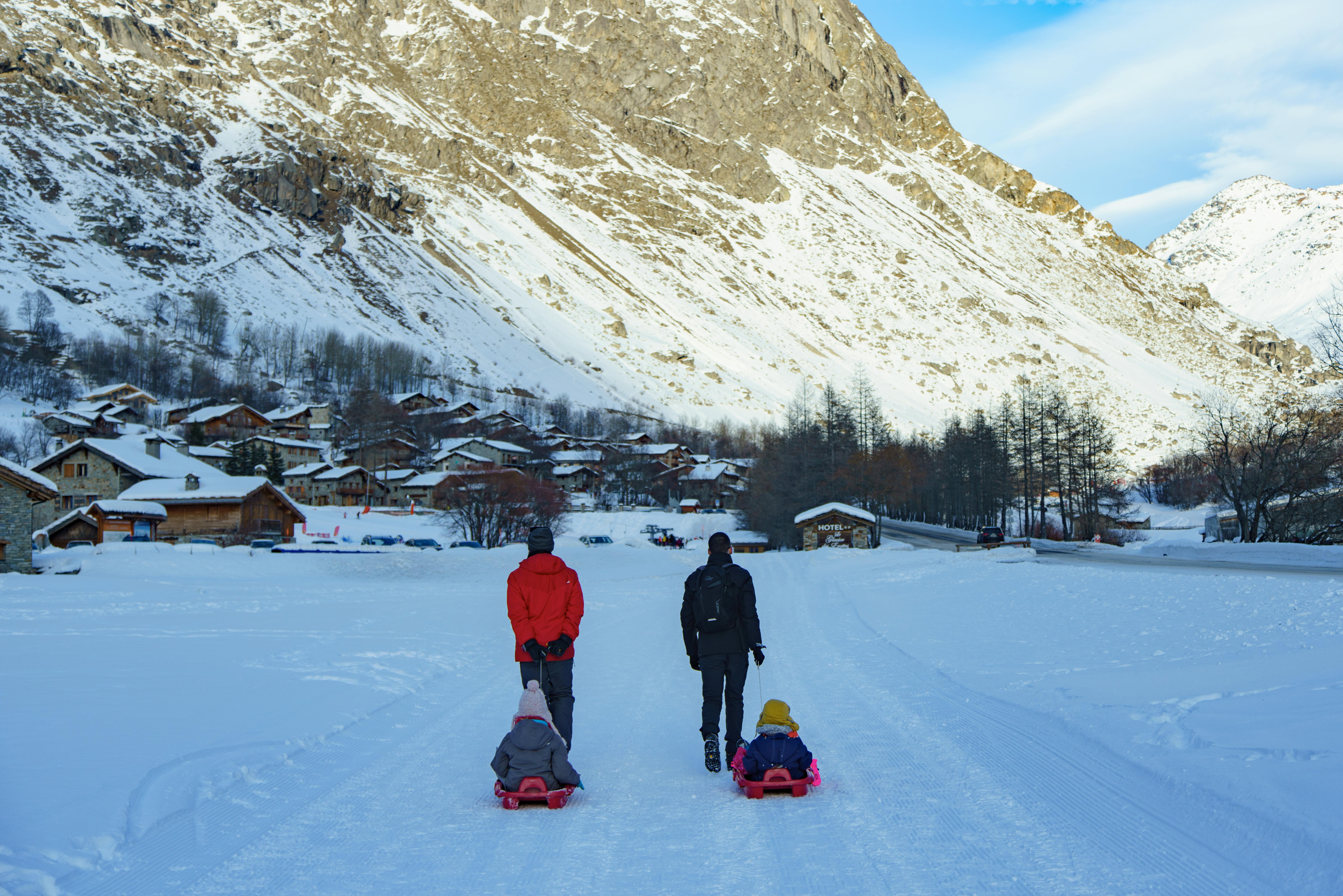
Let me be clear from the start : not every mountain region works in summer. Some only come alive in winter and feel half-empty during the warm months. Others are surprisingly active, with a full ecosystem of hiking, swimming lakes, cycling, gastronomy and cultural events. If you want to explore lesser-known summer mountain regions, https://petite-montagne.fr is a good entry point for the Jura area, which is one of the most underrated mid-altitude destinations in France. The destinations below are the ones that genuinely work for a summer trip, with concrete reasons why each makes the list.
Why Mountains Beat the Beach in Summer (Honest Take)
Before listing destinations, let’s address the obvious question : why would anyone skip a beach holiday for the mountains in July or August ? A few real arguments :
Temperature. At 1000m altitude, summer temperatures typically sit between 18°C and 26°C during the day, dropping to 12-15°C at night. Compare that to 32°C at 2 AM in Marseille and you understand why mountain locals sleep better.
Crowds. Most mountain regions get a fraction of the summer tourists that hit the coast. Even popular spots like Annecy or Chamonix feel manageable compared to Saint-Tropez or Biarritz in August.
Price. Mountain accommodation in summer costs 30-50% less than equivalent coastal options. Restaurants are cheaper. Activities are cheaper. Petrol is the same, but you’ll generally drive less.
Variety of activities. Mountains offer hiking, swimming in lakes or rivers, cycling, paragliding, climbing, gastronomy, cultural visits. The beach offers… the beach. Both have their place, but variety wins for longer trips.
1. The Jura Mountains – The Most Underrated Range in France
If I had to pick one mountain destination that consistently surprises first-time visitors, it would be the Jura. The range stretches along the Swiss border between Belfort and Geneva, with mid-altitude peaks (mostly 1000-1500m) that make it accessible to hikers of all levels.
What makes the Jura work in summer ? Cool forests, hundreds of lakes (the Hérisson waterfalls and Lake Vouglans are highlights), traditional villages with cheese and wine production, and a tourism density that feels like France 30 years ago. You can hike the GR5 sections without seeing more than a handful of people, even in August.
Practical info : budget around 60-90€ per night for a gîte or B&B, half what you’d pay in equivalent comfort in the Alps. Best months : June, July, September. August works but expect more visitors at popular sites like the Cascades du Hérisson.
Who it’s for : hikers, families with kids, couples who want quiet. Not for : people looking for nightlife or beach swimming.
2. The French Pyrenees (Around Cauterets and Luz-Saint-Sauveur)
The Pyrenees are oddly underused in summer compared to the Alps. The region around Cauterets and Luz-Saint-Sauveur (Hautes-Pyrénées) offers serious mountain landscapes, the Pyrenees National Park, hot springs, and remarkable hiking at a fraction of Chamonix prices.
The cirque de Gavarnie alone justifies the trip. It’s a massive natural amphitheater with a 422m waterfall and views that genuinely stop you in your tracks. The walking trails range from family-friendly (1-2 hour loops) to multi-day routes through the high mountains.
Pricing : 70-110€ per night for mid-range accommodation. Activities are well-priced (cable cars 15-25€, thermal baths 18-25€). Best months : July and August offer the most reliable weather, June and September give you fewer crowds.
Honest assessment : weather can be unpredictable, especially with afternoon storms in July. Pack layers and don’t plan everything outdoors.
3. The Vercors (Drôme/Isère)
The Vercors massif is a karstic plateau in southeastern France that flies under most travelers’ radar. Less famous than the Alps, more accessible than the Pyrenees, and absolutely stunning. Perso, I think the Vercors is the smartest choice for travelers who want mountain landscapes without committing to a 6-hour drive.
What’s on offer : dramatic limestone cliffs, the Cirque d’Archiane, the Combe Laval road (one of France’s most spectacular drives), caving, climbing, hiking, and fresh trout in mountain streams. The Hauts-Plateaux nature reserve is one of the largest in France and feels genuinely wild.
Pricing is fair : 70-100€ per night for a gîte or B&B. The region produces excellent cheese (Bleu du Vercors-Sassenage) and walnuts, so gastronomy is a real bonus.
Drawback : limited accommodation in some villages, so book ahead for July-August. The road infrastructure can also be challenging if you’re nervous about narrow mountain roads.
4. The Massif Central – Auvergne Volcanoes
The Auvergne is one of those regions that French people love and foreign tourists rarely visit. Big mistake on the international side. The volcanic landscapes around Le Puy de Dôme, Le Puy Mary, and the Sancy massif are unique in Europe, and the area offers some of the best hiking value in France.
Summer specifics : temperatures rarely exceed 28°C, even in August. Mountain lakes (like Lac Pavin or Lac Chambon) provide swimming options. The towns of Saint-Nectaire, Salers, and Murat are genuinely beautiful and not yet completely overrun by tourism.
Budget : this is where it gets interesting. The Auvergne is one of the cheapest mountain destinations in Western Europe. Expect 60-80€ per night for B&B, with restaurants delivering serious regional cuisine for 20-30€ per person.
Who it’s for : travelers who want authentic regional experiences, geology fans, hikers, slow travelers. Not for : people seeking dramatic Alpine peaks or sophisticated nightlife.
5. The Dolomites (Northern Italy)
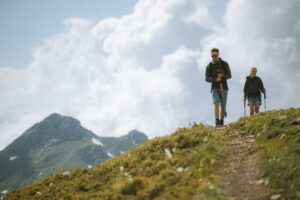
If you’re willing to cross a border, the Dolomites are arguably the most spectacular mountain destination in Europe for summer. The pale, dramatic limestone peaks deliver landscapes that genuinely look unreal in photos and even better in person.
What works : via ferrata routes, world-class hiking (the Tre Cime di Lavaredo loop is one of the most popular day hikes in Europe), Alpine pastures, mountain refuges that serve excellent food, and a unique Tyrolean culture that mixes Italian and Austrian influences.
Budget warning : the Dolomites have become expensive. Plan for 120-180€ per night for decent accommodation in summer, more in famous spots like Cortina d’Ampezzo or Val Gardena. Mountain refuges are cheaper at 60-90€ per person half-board.
Best base towns : Bolzano, Ortisei, Cortina, or smaller villages like San Cassiano if you want quieter. Avoid the second and third weeks of August – it’s the Italian holiday peak and prices spike.
6. The Swiss Jura and Bernese Oberland (For a Premium Option)
Switzerland is expensive, no way around it. But for travelers willing to pay, the Bernese Oberland (Interlaken, Grindelwald, Lauterbrunnen) offers some of the most spectacular mountain scenery accessible to non-mountaineers in the world.
The Jungfrau region has cable cars and trains that take you to genuinely high altitudes (over 3000m) with minimal effort. The hiking infrastructure is impeccable. Lakes like Brienz and Thun offer summer swimming with mountain backdrops.
Real budget : 180-300€ per night for accommodation in popular zones, plus 50-80€ per person per day for food. Cable car day passes range from 50€ to 200€. It’s expensive, but the value-for-money in terms of landscape is honestly hard to beat.
Tip : stay in smaller villages like Wengen or Mürren rather than Interlaken proper. Better atmosphere, often slightly cheaper.
7. The Mercantour National Park (Alpes-Maritimes)
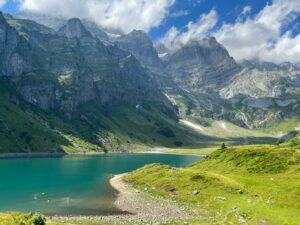
This is for travelers who want mountains with proximity to the Mediterranean coast, but without staying on the coast itself. The Mercantour is a large national park behind Nice that offers high mountain landscapes, lakes, the Vallée des Merveilles with prehistoric rock engravings, and serious hiking.
The combination is unique : you can be in the high mountains during the day and on the coast in 90 minutes if you want a beach evening. The villages of Saint-Étienne-de-Tinée, Saint-Martin-Vésubie, and Tende each have distinct character.
Pricing : 80-130€ per night in mid-range accommodation. The proximity to the Côte d’Azur slightly inflates prices, but it stays reasonable in mountain villages.
8. The Cévennes (For Slow Travelers)
The Cévennes are a low mountain range in southern France that combines forest, granite peaks, and Mediterranean influence. Less spectacular than the Alps, more atmospheric than most ranges. The region is a UNESCO biosphere reserve, and you genuinely feel it.
What works : excellent hiking on the famous Stevenson Trail (GR70), gorges for swimming and kayaking, the Mont Aigoual, traditional Cévenol villages, and rich gastronomy. The region is also famous for chestnuts and goat cheese production.
Budget : very reasonable, with 60-90€ per night for B&B. The pace is slow and that’s the point – this isn’t where you go for adrenaline activities.
Practical Tips for Booking a Summer Mountain Trip
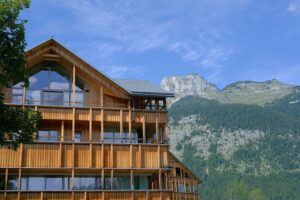
A few things that make a real difference :
Book accommodation 3-4 months ahead for July-August. Mountain regions have less inventory than coastal destinations, and the best places (especially gîtes and small B&Bs) fill up early.
Plan for variable weather. Even in summer, mountain weather can shift in hours. Pack rain jackets, warm layers for evenings, and never plan a 100% outdoor itinerary without backup options.
Check accessibility. Some mountain villages are on narrow roads that are challenging if you’re not used to driving in the mountains. Look at Google Street View before booking remote accommodations.
Don’t underestimate altitude. Even moderate altitudes (1500-2000m) can affect sleep, hydration, and stamina for a day or two. Take it easy on arrival day.
Compare with off-peak periods. Late June and the first half of September often offer the same quality experience at 30-40% lower prices and with a fraction of the crowds.
What to Avoid
A few honest warnings based on common mistakes :
Don’t book in famous ski resorts in July-August expecting them to be “alive”. Many big ski stations (especially purpose-built ones) feel half-asleep in summer. Stick to traditional villages with year-round economies.
Don’t expect every restaurant to be open. Mountain villages often have limited summer dining options, especially on Sunday and Monday. Plan ahead, especially in remote areas.
Don’t pack like you would for the beach. Mountain holidays need different gear : hiking shoes, layers, rain jacket, sunscreen (UV is stronger at altitude), and a small daypack.
Don’t ignore local festivals and events. Many mountain regions have summer festivals, transhumance celebrations, and traditional events that genuinely add to the experience. Check the local tourist office calendar before booking dates.
Final Thought
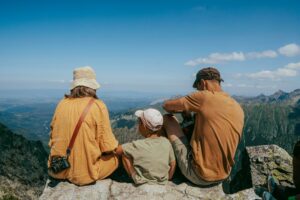
The big mistake travelers make about summer mountain holidays ? Assuming they’re a “lower-quality” version of a coastal vacation. They’re not. They’re a different kind of vacation entirely : cooler, quieter, more active, more affordable, and often more memorable than the standard beach trip everyone defaults to.
One last question worth asking yourself before booking : what do you actually want from a summer holiday ? If the answer is “lying on a beach”, stick with the coast. If it’s “sleeping well, walking, eating regional food, and not feeling like part of a herd”, a mountain destination will deliver more than the coast in 9 out of 10 cases. The Jura, Vercors, Auvergne or Cévennes can all genuinely compete with Mediterranean trips, often for less money and with more authentic experiences. The mountains have been quietly winning the summer holiday game for years now. Maybe it’s time to switch teams for a season and see what you’ve been missing.